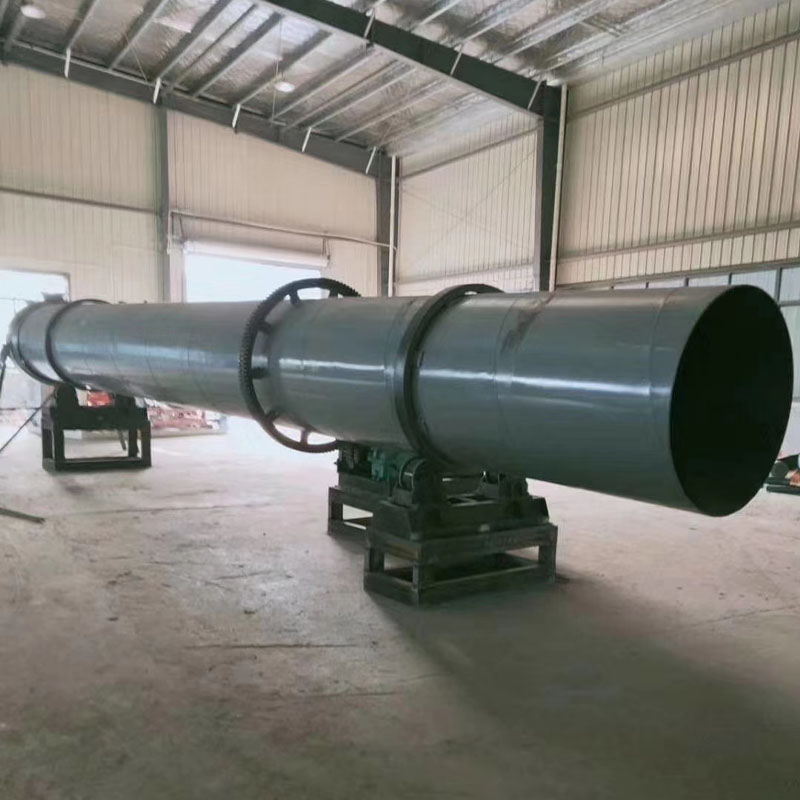
In a world where sustainable agriculture is becoming increasingly critical, the organic fertilizer market has seen exponential growth, with projections indicating it could reach $200 billion by 2025. Central to this burgeoning industry is the Organic fertilizer drying machine, an essential tool that enhances production efficiency and product quality.
Understanding Organic Fertilizer Drying Machines: Market Attributes and SWOT Analysis
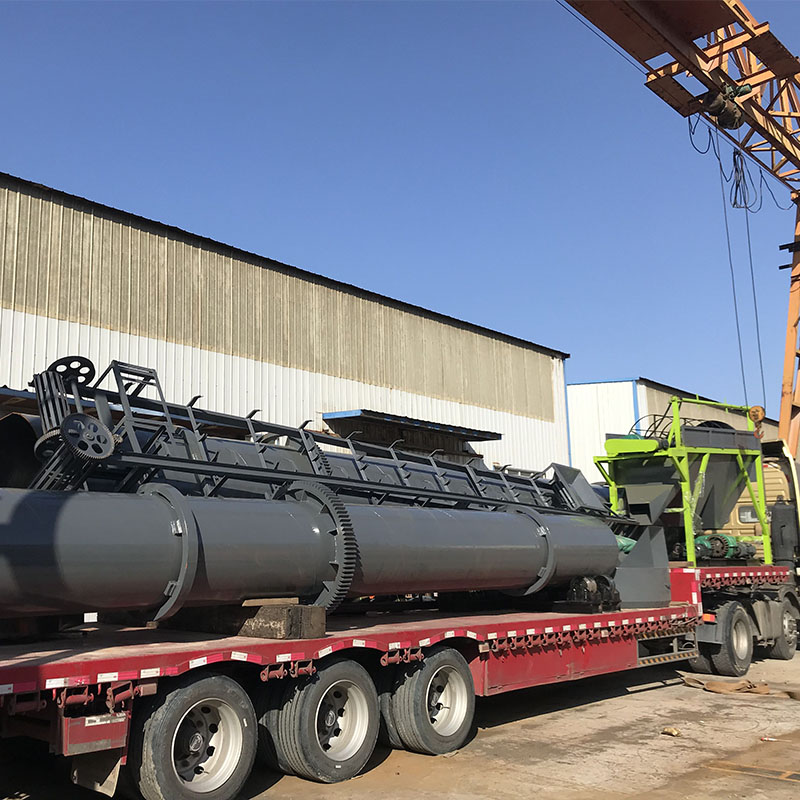
The organic fertilizer drying machine plays a pivotal role in the processing of organic materials into usable fertilizers. Its primary function is to reduce moisture content, ensuring that the final product meets storage and application standards. In terms of market attributes, these machines are characterized by their energy efficiency, scalability for different production sizes, and adaptability to various raw materials. Conducting a SWOT analysis reveals strengths such as high demand due to increasing awareness of sustainable farming practices; weaknesses including initial investment costs; opportunities like technological advancements; and threats from competitive synthetic fertilizers.
BB Fertilizer Blending Line: A Key Component in SWOT Analysis
The BB (Bulk Blending) fertilizer blending line complements the functionality of organic fertilizer drying machines by allowing for customized nutrient blends tailored to specific crop needs. Within a SWOT analysis framework, its strengths lie in flexibility and precision—farmers can create bespoke mixtures that enhance soil health effectively. However, challenges include potential inconsistencies if not monitored properly during blending processes. Opportunities exist as more farmers seek specialized solutions for diverse agricultural demands while facing threats from fluctuating raw material prices which could impact profitability.
Find more about BB fertilizer blending line.Xincheng’s Position within SWOT Analysis Framework
Xincheng stands out in the landscape of manufacturers producing organic fertilizer drying machines through its commitment to innovation and quality assurance. Analyzing Xincheng via a SWOT lens reveals notable strengths such as advanced technology integration leading to higher operational efficiencies. Weaknesses may involve reliance on specific markets or regions which can limit expansion potential. Nevertheless, opportunities abound with rising global interest in eco-friendly products while competition remains fierce from both local players and international brands posing significant threats.
Conclusion
In summary, the organic fertilizer drying machine represents not only an essential component within modern agricultural practices but also embodies numerous strategic considerations when analyzed through a SWOT framework. As we move forward into 2024 and beyond, understanding these dynamics will be crucial for stakeholders aiming to capitalize on this growing sector while navigating inherent challenges.